Tell us about the job
Takes about a minute. No obligation.
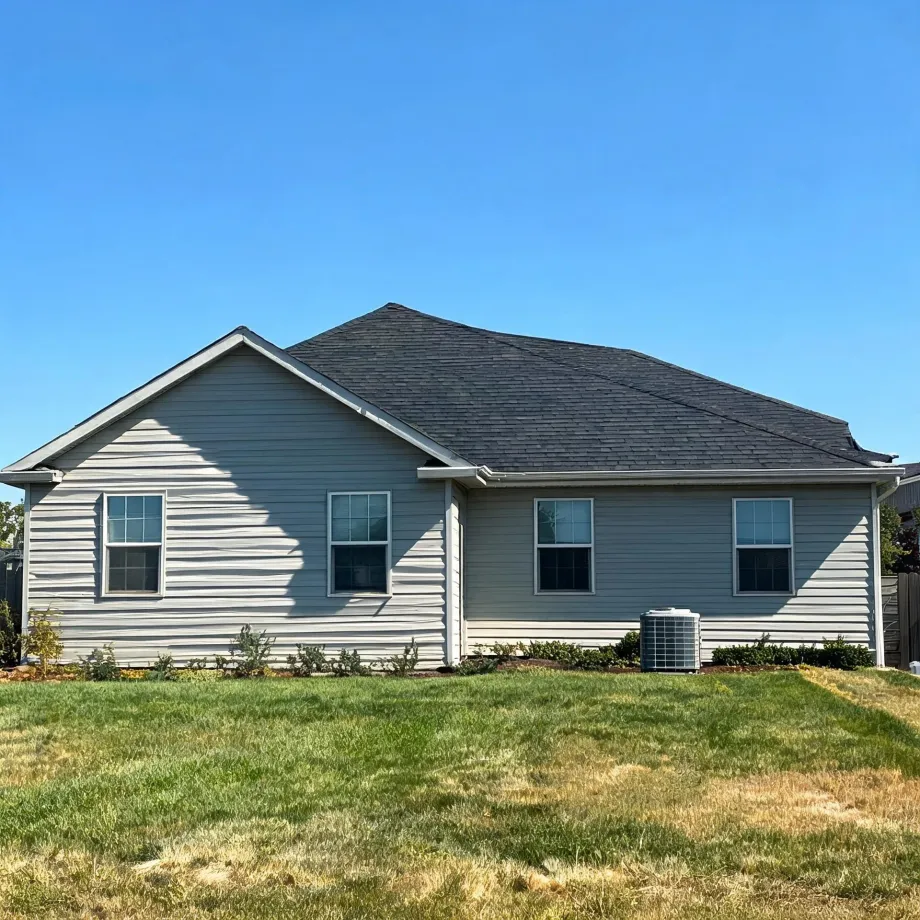
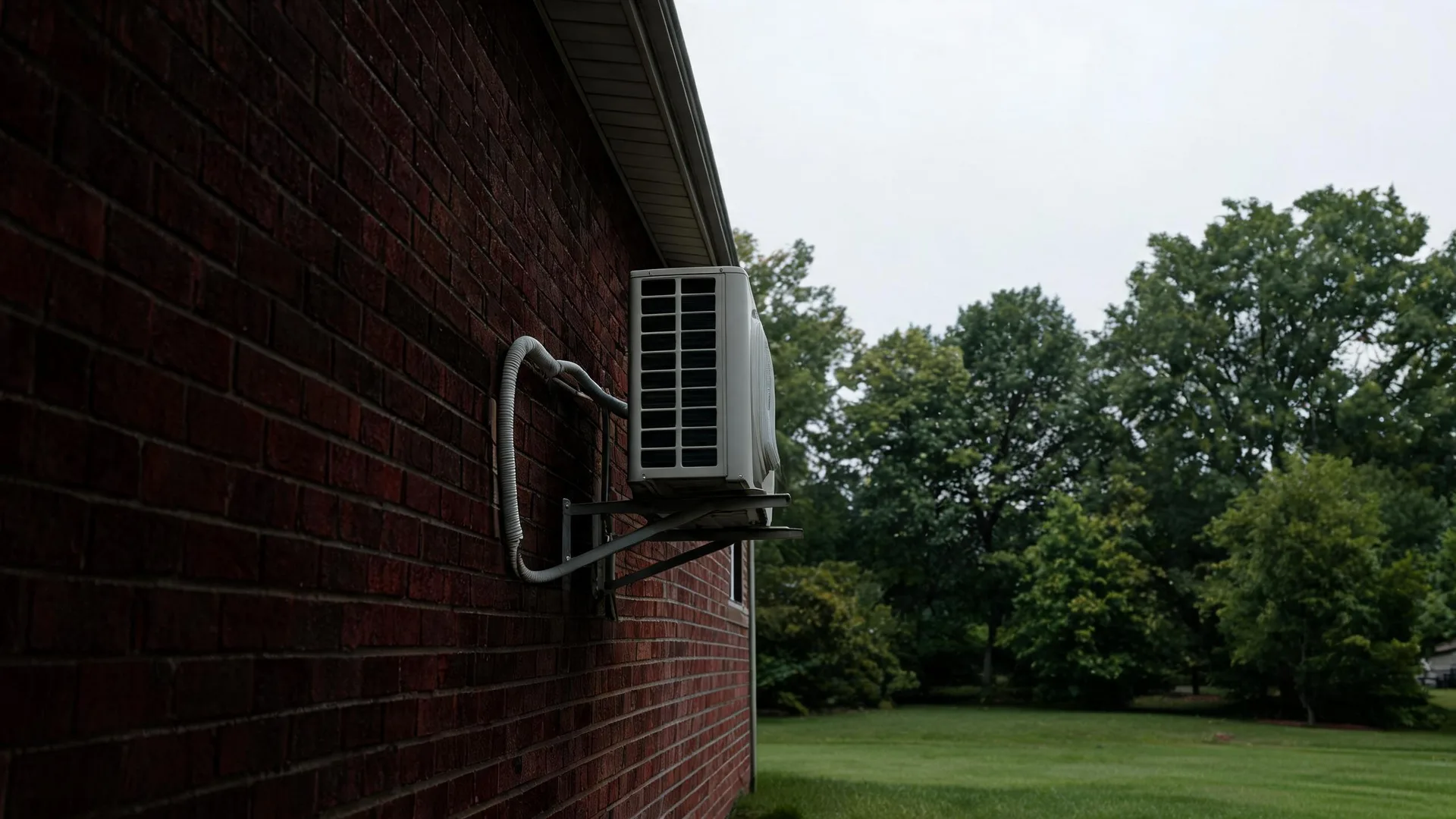
A contractor quoting a mini-split installation in Grafton County starts from heating load, because that is the only load that exists here. Homes in Grafton County, NH have essentially no cooling season — no month of the year is warm enough to call for it. The compressor in this climate earns its wear pulling heat into the house through cold outdoor air, not pushing it out in summer. Sizing decisions, refrigerant charge, and the choice of backup resistance heat all follow from that single demand. A unit specced partly around cooling headroom it will never draw on is carrying capacity the homeowner is paying for and the county will never call.
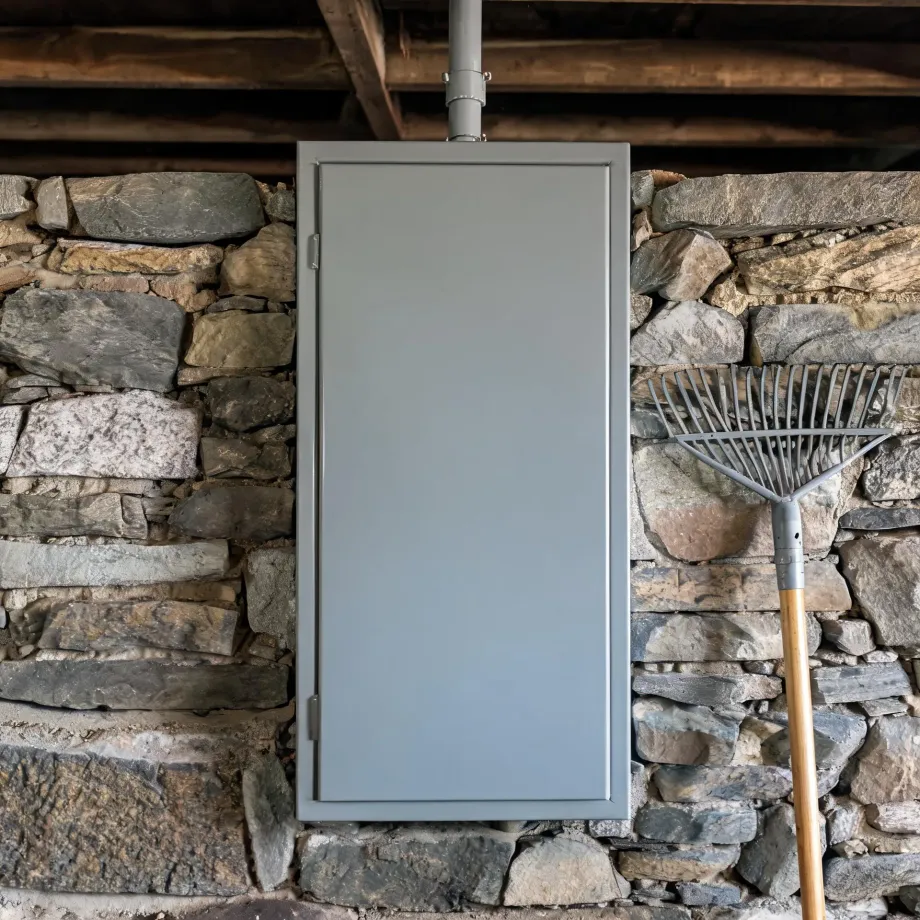
Electrical service in much of this county's housing was planned around equipment that no longer exists in those houses. Half the homes in Grafton County, New Hampshire were built in 1981 or earlier (2020-2024 ACS 5-year). Whatever replaced the original systems drew differently, and whatever a contractor installs now draws differently still. For a mini-split installation, that history shows up at the panel: what is there was sized for a load that changed more than once before this job was quoted, and a contractor has to establish what the existing service will actually carry before pricing the work.
The Parts of a Mini-split System and What HVAC Installation Covers
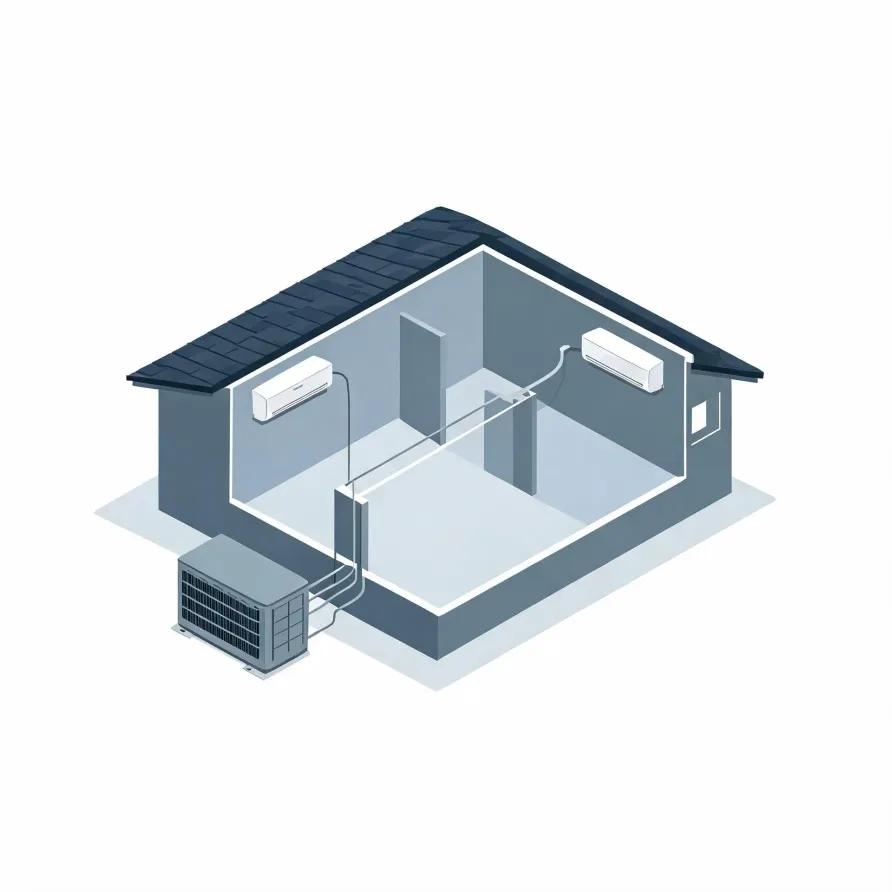
The indoor air handler mounts high on a wall inside the room and delivers conditioned air directly into that space. The outdoor condenser unit sits outside the house, usually on a pad or bracket at ground level or on a wall, and houses the compressor and the coil that handles the heat exchange side of the work.
A refrigerant line set runs between the two units through a small penetration in the wall, carrying the refrigerant that links the indoor and outdoor sides. A condensate drain line runs from the indoor unit to move moisture out of the house, and a dedicated electrical circuit feeds the outdoor unit from the panel.
The drawing shows the typical layout of these components, and a licensed contractor determines exactly how each one is positioned and connected for your specific home.
Find a contractor in Grafton CountyGrafton County, by the numbers
242 severe weather events were recorded in Grafton County, New Hampshire between 2015 and 2024.
NOAA National Centers for Environmental Information, Storm Events Database, bulk CSV export, events 2015-01-01 through 2024-12-31.Half the homes in Grafton County, New Hampshire were built in 1981 or earlier (2020-2024 ACS 5-year).
U.S. Census Bureau, 2020-2024 American Community Survey 5-Year EstimatesGrafton County, New Hampshire holds 51,920 housing units (2020-2024 ACS 5-year).
U.S. Census Bureau, 2020-2024 American Community Survey 5-Year EstimatesOwners occupy 71.3% of the occupied homes in Grafton County, New Hampshire (2020-2024 ACS 5-year).
U.S. Census Bureau, 2020-2024 American Community Survey 5-Year EstimatesCodes & Standards Governing Mini-Split Installation in Grafton County, New Hampshire2 sourced rules & standards
Licensing and Legal Requirements in Grafton County, New Hampshire
New Hampshire's mechanical licensing board issues nine credentials — hearth system, four fuel gas endorsements, domestic appliance technician, and master, journeyman and apprentice plumber — and a licensee may not work outside the specialty their licence names. None of the nine is an HVAC licence.
New Hampshire does not license HVAC as a trade, and says so where it matters: the plumbing licence expressly does not reach a person installing heating, cooling, air conditioning or domestic water heating systems, whether solar, oil, gas or electric. The gas piping on a gas-fired system is a separate matter and needs a fuel gas fitter licence.
Severe Weather Events in Grafton County
Grafton County's climate puts real demands on heating and cooling equipment, and those demands shape what a properly sized and installed mini-split system needs to handle. Weather history is part of that picture, which is why it belongs alongside the installation work.
242 severe weather events, 2015–2024. Source: NOAA National Centers for Environmental Information, Storm Events Database.