

Sized right, it holds the room
A properly sized mini split keeps the whole room even, not just the air in front of it. It cycles on, runs long enough to actually move heat, and shuts off. No cold corner by the window, no guessing at the thermostat.
After this form, you can stop searching for a mini split pro.
Let a pro reach outYou want a straight number before you start comparing quotes, something closer than the general rule of a ton per 500 or 600 square feet. A mini split sized by square footage alone can leave you cold in January or leave the room clammy in July, and with oil heat and electric rates what they are here, getting the size wrong costs you twice: once on the unit, once on every bill after.
A contractor sizes a mini split with a load calculation, which weighs the room's square footage against its windows, insulation, ceiling height and how many walls face outside. Two rooms the same size in the same New Hampshire town can need different units if one has old windows and the other was re-insulated. Undersized, the unit runs flat out on the coldest nights and still can't keep up. Oversized, it short cycles, wearing parts faster and leaving the room muggy in summer even though the air here runs mild. Getting the number right matters more in a state that leans on electric heat strips or a mini split alongside oil, since a mismatched unit shows up directly on a power bill that's already among the highest in the country.
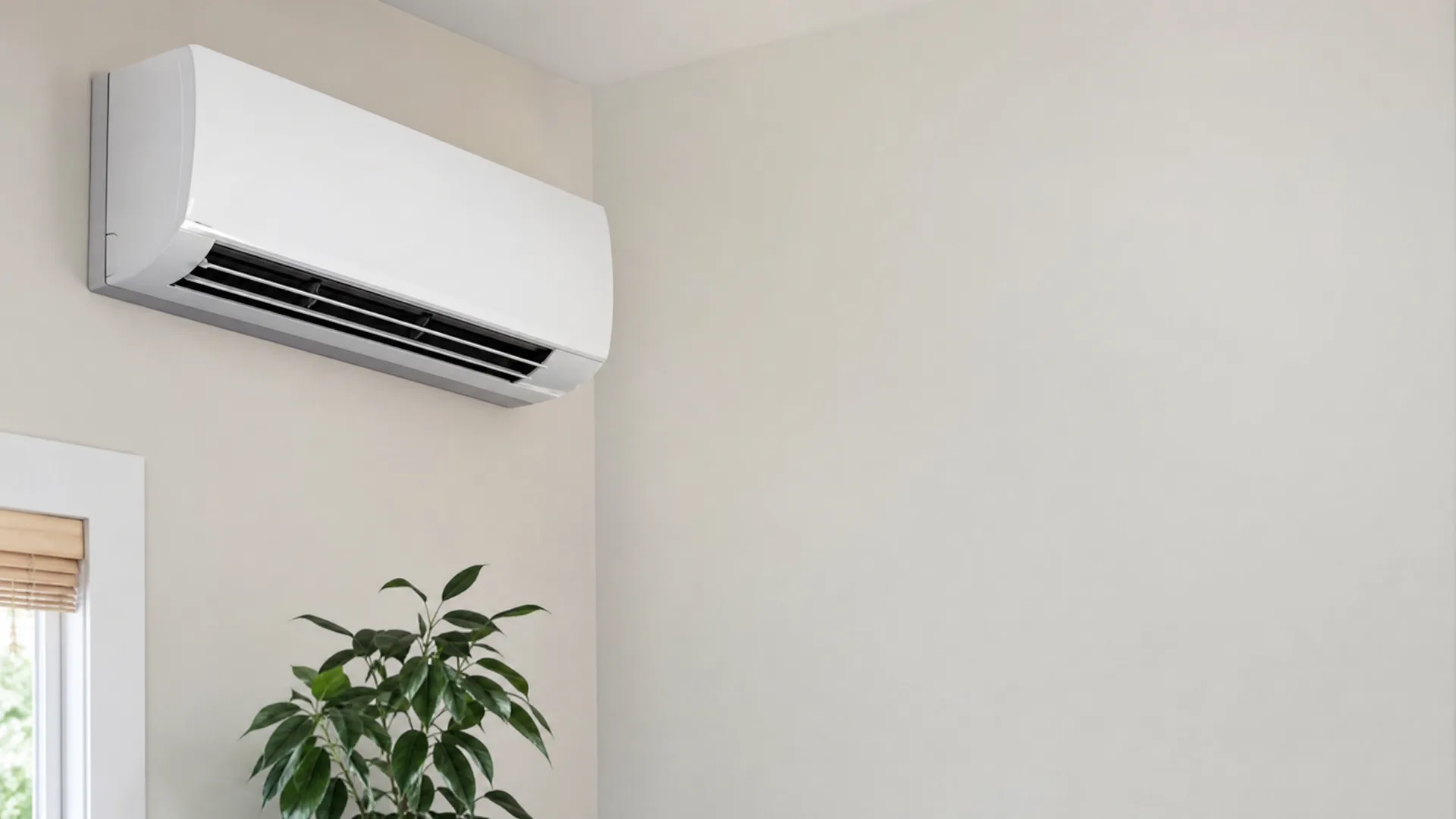
A load calculation looks at your walls, windows, and how much cold air gets in, then works out how many BTUs your home loses on the coldest night. Two New Hampshire houses the same size can need different size units if one has more windows facing north or less insulation in the attic. That number, not the square footage, is what a contractor sizes the mini split to.
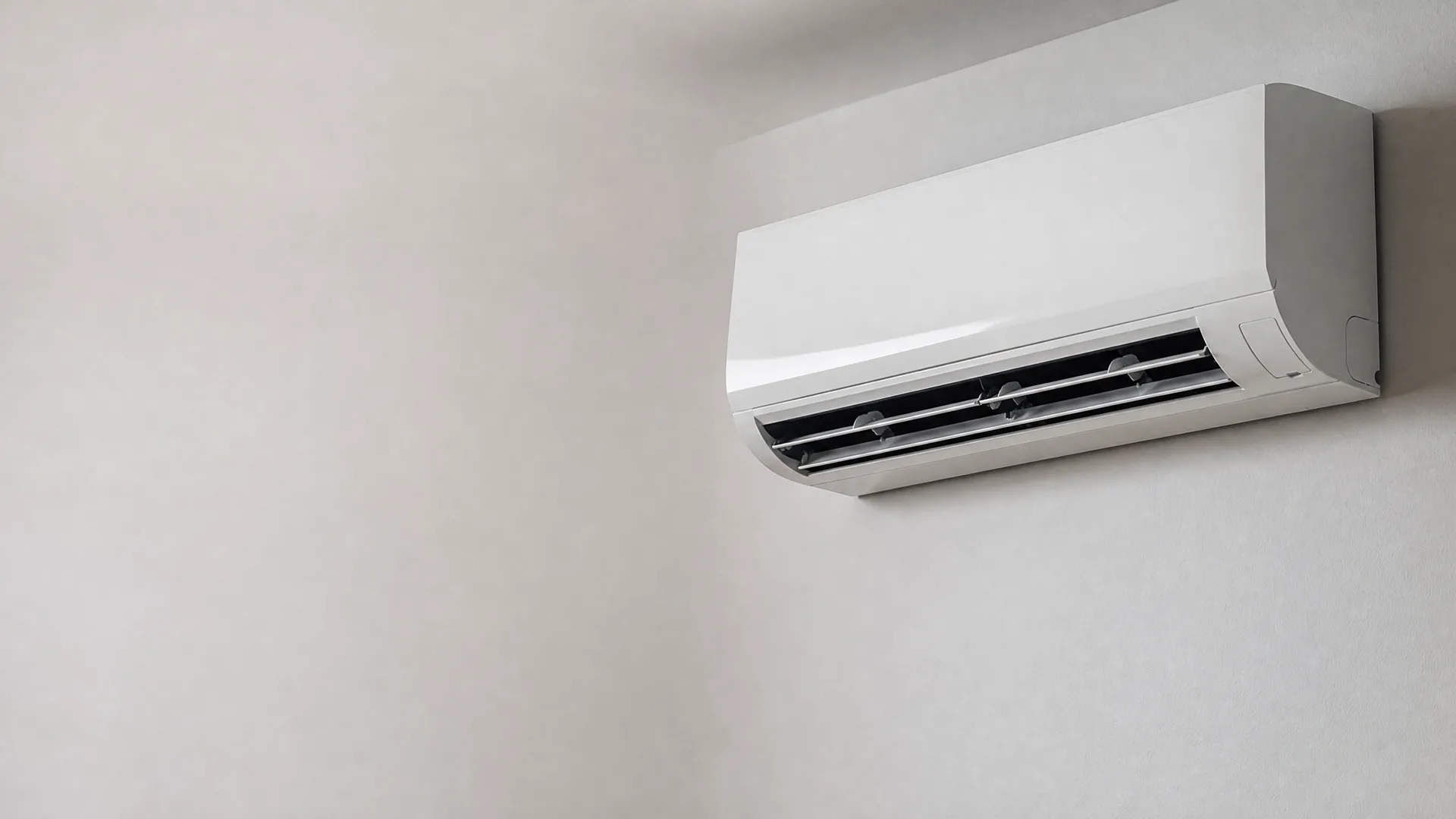
A mini split that's too big cools or heats the room fast, then shuts off, then kicks back on. Short cycles like that mean the unit never settles in to pull moisture out of the air properly, so a room can feel clammy even when it reads cool. With power rates what they are here, a unit cycling that often also runs up the bill without you feeling any warmer or cooler for it.
A unit that's too small runs flat out on the coldest nights and still can't hold the room, so you notice one end of the house staying chilly while the thermostat says it's fine. One that's too big short cycles, kicking on and off fast, and the room never quite feels even. If you're still leaning on the oil furnace to get through January, the mini split isn't doing the job it was sized for. That matters more here than in most places, since every hour it runs wrong shows up on a power bill that's already among the highest around. A unit working harder than it should also wears out faster than one sized right from the start.

A properly sized mini split keeps the whole room even, not just the air in front of it. It cycles on, runs long enough to actually move heat, and shuts off. No cold corner by the window, no guessing at the thermostat.

Dust and grime building up along the vents often means the unit is running longer and harder than it should, pulling more air through more often. If yours was sized off square footage alone, this is what that catches up to.


Getting the size right matters more here than the brochure math suggests. A unit picked off a square footage chart doesn't know about your oil furnace backing it up, or how your electric rates make every wasted kilowatt sting. New Hampshire winters push mini splits hard, and a wrong guess on size either leaves rooms cold in January or runs up a power bill that's already among the steepest in the country. Working that out means someone looking at your actual walls and windows, not a rule of thumb. On your own, that means calling around to installers, explaining your house to each one, waiting on quotes, then trying to compare numbers that were never calculated the same way. Send the form instead and that work is off your plate. One contractor gets your request, looks at what your home actually loses heat to, and tells you the right size for it. You go back to deciding what your living room should feel like in February, not whether you called enough companies today.
A mini split sized for a mild climate guess will run constantly through a New Hampshire cold snap, leaning hard on the oil furnace to make up what it can't, and you'll pay for both at once.
A mini split sized for your home's actual heat loss carries more of the load on its own, even on the coldest nights, so the furnace kicks in less and your electric bill reflects work the unit is actually built to do.





A New Hampshire summer doesn't feel heavy the way it does further south. The National Weather Service puts the average summer dew point here at 59°F, which is on the dry side as these things go. That matters for sizing because a mini split sized to fight thick, sticky air will spend a lot of its capacity on moisture it doesn't actually need to remove here. Oversize it for muggy conditions you don't get, and it cools the room fast, shuts off, and leaves the air feeling damp and clammy even though the thermostat reads comfortable. Sized for your home's real heat loss instead, it runs longer and steadier, and pulls the moisture out as it goes.
NASA POWER T2MDEW county cells weighted by homes


At 24.53 cents a kilowatt-hour, an oversized or undersized mini split doesn't just underperform, it costs you more every month it runs that way. Getting the BTU count right up front is what keeps your electric bill from absorbing the mistake all winter.
EIA-861 2025 statewide residential average
A contractor measures every wall, window, and door for heat loss.
That number becomes a BTU load for your coldest expected night.
The right unit size is matched to that load, zone by zone.
The indoor head and outdoor compressor are set to that size, not a guess.
The right size for your mini split comes from a load calculation on your home, not a number off a chart. That's the whole answer. A contractor who measures your walls, windows, and doors can tell you the BTUs your house actually loses on the coldest night, and size the unit to carry that load alongside your oil furnace instead of fighting it. Get that number wrong and you're either paying for capacity you don't need or watching one room stay cold all winter while the electric bill climbs anyway. You don't have to track down who does this kind of calculation, call around to see who's available, or explain your setup three different times to three different companies. Send the form once and that search is off your plate. You'll know what size your home needs, and you'll know it from someone who actually measured it.


Let someone else find the pro
Skip collecting and comparing quotes for the new mini split.