Running fine, down to a point
On a mild day a mini split heats this room without strain, the air coming out warm and steady. Most units hold that performance well below freezing. Below a certain point, the compressor slows and heat output drops.

New Hampshire winters push well below freezing for weeks at a stretch, and if oil heat is your backup or your only heat, you want to know where a mini split actually stops helping. Some units advertise cold climate performance, others don't, and the difference matters when it's 5 degrees outside and your heating bill is riding on which system is doing the work.
A regular mini split loses most of its heating output once the temperature drops into single digits, and below 5°F the compressor can't pull enough heat from the outside air to keep up. A cold climate mini split, built with a different compressor and refrigerant system, still produces heat down to around -15°F. That's the line that matters in New Hampshire, where winter nights in the north and the mountains routinely fall below 0°F. If you're heating with oil and using a mini split to cut into that cost, the model installed decides whether it carries the house through January or just October and November.

On a mild day a mini split heats this room without strain, the air coming out warm and steady. Most units hold that performance well below freezing. Below a certain point, the compressor slows and heat output drops.

Dust and grime like this build up when a unit runs hard for long stretches without being serviced. In deep cold the outdoor coil can ice over, and a dirty unit has less margin to spare before it stops keeping up.

When a January night drops well below zero, you'll feel it at the register before anything else. The air coming out turns cool instead of warm, and the room it serves starts losing ground. If that room is also fed by your oil system, you probably won't notice right away. If the mini split was carrying that space on its own, you will.
This is where the install matters as much as the equipment. The right unit, sized and placed for the room it's actually heating, holds up through more of the winter than one picked to just fit the budget or the wall space. A contractor who installs these across New Hampshire winters knows which units are worth trusting as a primary source in your coldest rooms and which ones are better left backing up the oil system. Getting matched with one licensed and local, who sees this exact problem every season, means that judgment is based on what actually holds up here, not a spec sheet.


On a clear winter day the unit sits high on the wall and puts out warm air without fuss. The coils and vents stay clean, so air moves through them the way it was designed to. A mini split in this shape keeps pulling its rated heat down to its low-temperature cutoff.

Dust and grime built up across the vents choke off airflow before the cold even becomes the problem. A unit in this state falls behind well above its rated cutoff, because the coil can't move the heat it's making. In New Hampshire's cold, that gap shows up fast.
You'll notice it in the room the mini split is supposed to carry. It used to hold warm all night, and now it's cooling off by morning, or the air coming out feels more like room temperature than heat. The outdoor unit might be running longer and sounding like it's working harder for less. If you're leaning on that room to take pressure off the oil burner, a mini split that can't keep up means the oil furnace picks up the difference, and you'll see that in the oil tank emptying faster than you planned for. Ice building up on the outdoor unit beyond a thin frost is also worth a look, since it points to the system struggling rather than just the cold doing what cold does.




One installer gets your project, so there's no bidding war over it.
No fee to send it, and nothing to sign.
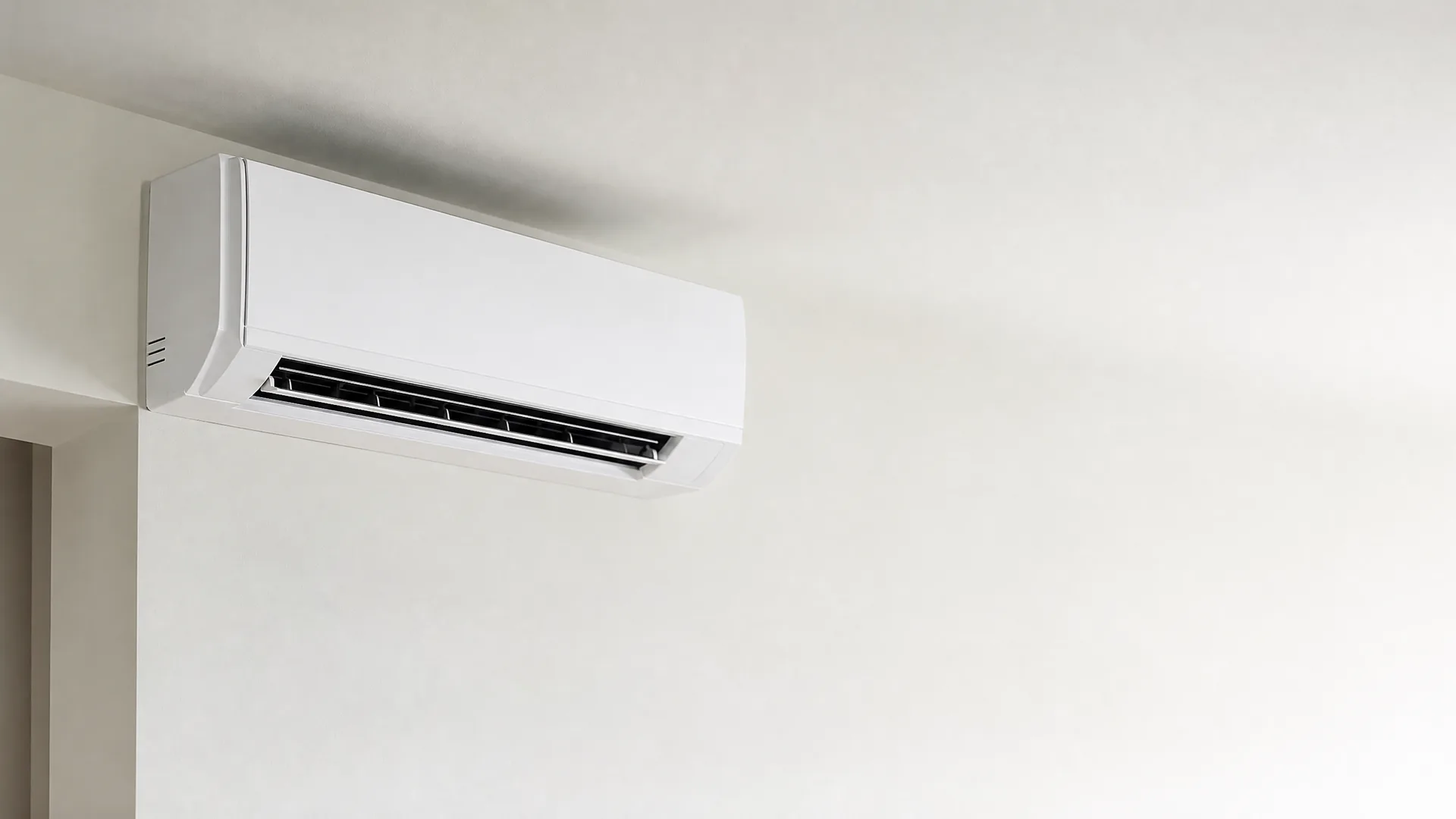
A mini split heats by pulling warmth out of outside air, even cold air, and moving it inside. As the temperature drops, there's less warmth out there to pull, so the compressor has to work harder for the same output. Most units manage this well into the single digits. Past a certain point, usually somewhere well below zero, the compressor can't keep up, and that's when the oil furnace needs to carry the load on its own.
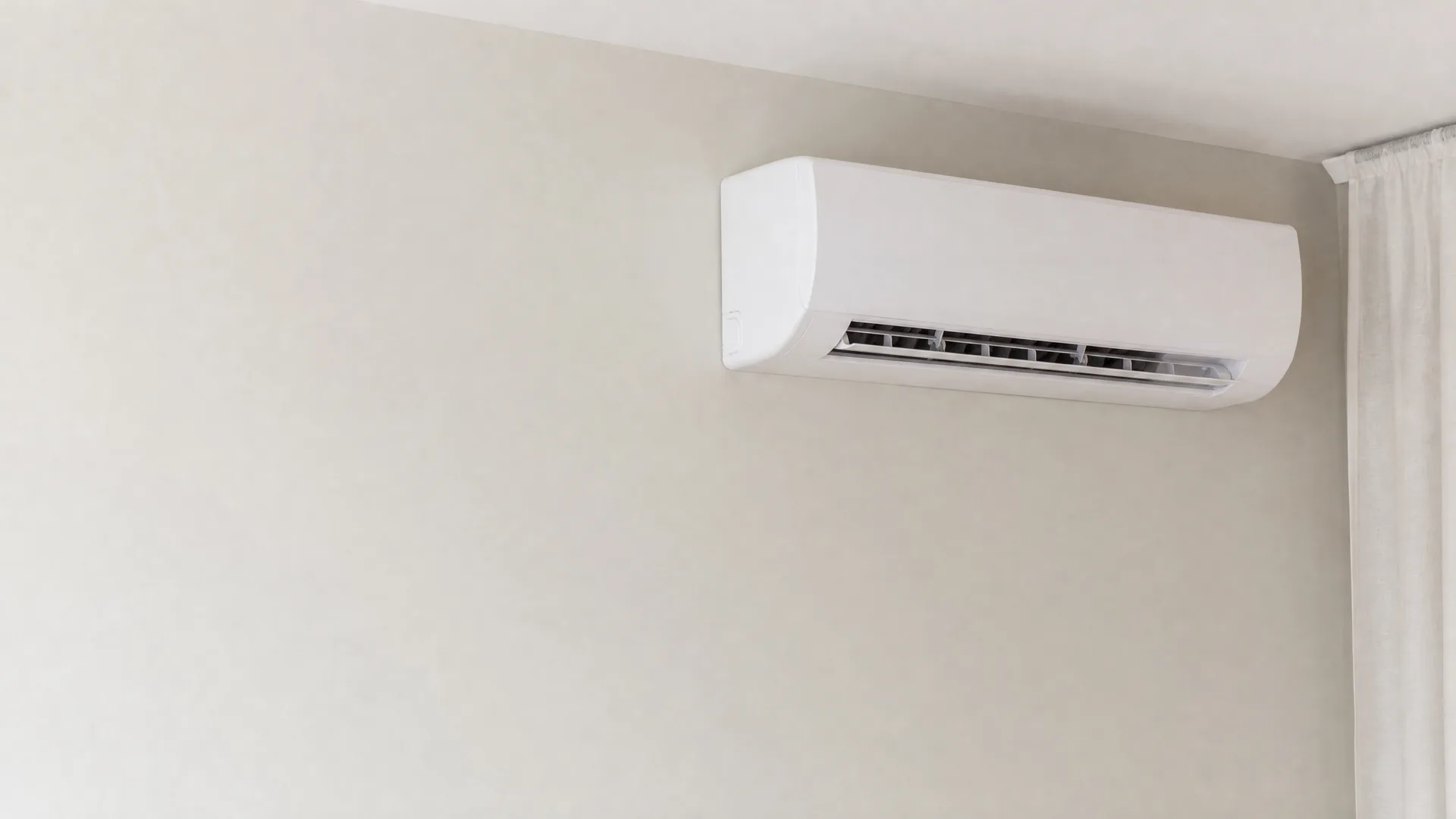
Cold, damp air causes frost to build on the outdoor unit's coil, and the system has to pause and run a defrost cycle to clear it. During that pause, no heat comes inside, sometimes for several minutes. On a night with heavy frost, these cycles happen more often, and the room being heated feels the gap each time. This is normal operation, not a sign of a failing unit, but it's part of why output drops on the coldest nights.


These are built to keep pulling heat well below zero, with output that holds up where standard units give out. Paired with oil heat, it can carry most of the cold months on its own.
Output falls off hard once the temperature drops well below freezing. Fine for shoulder-season heat, but on the coldest nights you're leaning on the oil furnace again.


At that rate, a mini split that loses efficiency in a hard cold snap costs you more to run right when you need it most. Pairing it with your oil heat instead of leaning on it alone through the worst nights keeps your power bill from carrying the load oil was already handling.
EIA-861 2025 statewide residential average
A mini split in New Hampshire isn't too cold until it can't hold the room, and that point depends on the unit, not just the thermometer. A standard unit gives out somewhere above zero. A cold-climate unit keeps pulling heat well past that, which is why the two aren't really the same purchase. Either way, oil heat is doing the job on the hardest nights, and the mini split is covering the rest of the year, where it saves you from running oil at New Hampshire power rates. What matters now is matching the unit to the room it has to carry through January, and that's a sizing question particular to your house. A local installer who works on these units all winter has seen which ones hold up here and which ones fall short, and when you're matched with one, it's a single licensed contractor who knows this equipment in this climate, not a handful of companies competing for the job.

Only one pro gets your request, so you hear from one company.
You're not committing to anything by asking.
