



Can a mini split be your only heat in New Hampshire

A white wall-mounted mini-split air conditioner indoor unit centered against a plain light gray background.
Hand off the search

Can a mini split be my only heat in New Hampshire?

You're looking at a mini split for heat and wondering if it can carry the whole winter on its own, without oil backup. Most houses around you heat with oil, so going without it feels like a real question, not just a preference. You want to know before you commit, because ripping out or adding a backup system later costs more than planning for it now.

For most New Hampshire winters, no, not alone

A cold climate mini split keeps producing heat well below freezing, but its output drops as the temperature drops, and New Hampshire sees stretches well below zero most winters. At those temperatures, even a unit rated for cold climates can fall short of what the house needs to stay warm, especially on the coldest nights of January and February. That's why most homes here pair a mini split with the oil system already in place rather than removing it. The mini split carries the mild and moderate days, which is most of the season, and the oil furnace kicks in for the hardest cold. Given how expensive power is in New Hampshire, leaning on the mini split for the bulk of the season while keeping oil as backup is usually the setup that makes sense, not an either-or choice.

A man in a navy sweater reclines with closed eyes in a beige armchair in a living room, with a lamp, wooden cabinet, bookshelf, potted plant, and a side table holding a newspaper and mug nearby.
A man in a blue henley shirt reclines on a leather chair with his eyes closed, beside a window, a houseplant, a side table with a newspaper and a dark mug.
A man in a gray sweatshirt reclines with his eyes closed in a dark leather chair, with a bookshelf behind him and a side table holding folded newspapers, a mug, and a potted plant by a window.
A man in a blue sweater leans back on a brown leather chair with his eyes closed and a slight smile, in a room with bookshelves, framed pictures, a potted plant by a window, a folded newspaper and a dark mug on a table.

Will it still keep up when it's 10 below outside

You've probably noticed the oil burner kicking on more as the nights get colder, and you're wondering what the mini split does on those same nights. A unit sized for a mild January day can start losing ground once the temperature drops hard, blowing air that feels cooler than it should and running longer to hold the thermostat setting. If the house starts losing a few degrees overnight and the oil tank is your only backup, you're paying for both systems instead of one. The real test isn't a 40 degree afternoon, it's the stretch of nights in the teens or below that New Hampshire gets most winters, and whether the unit you have was chosen with that in mind.

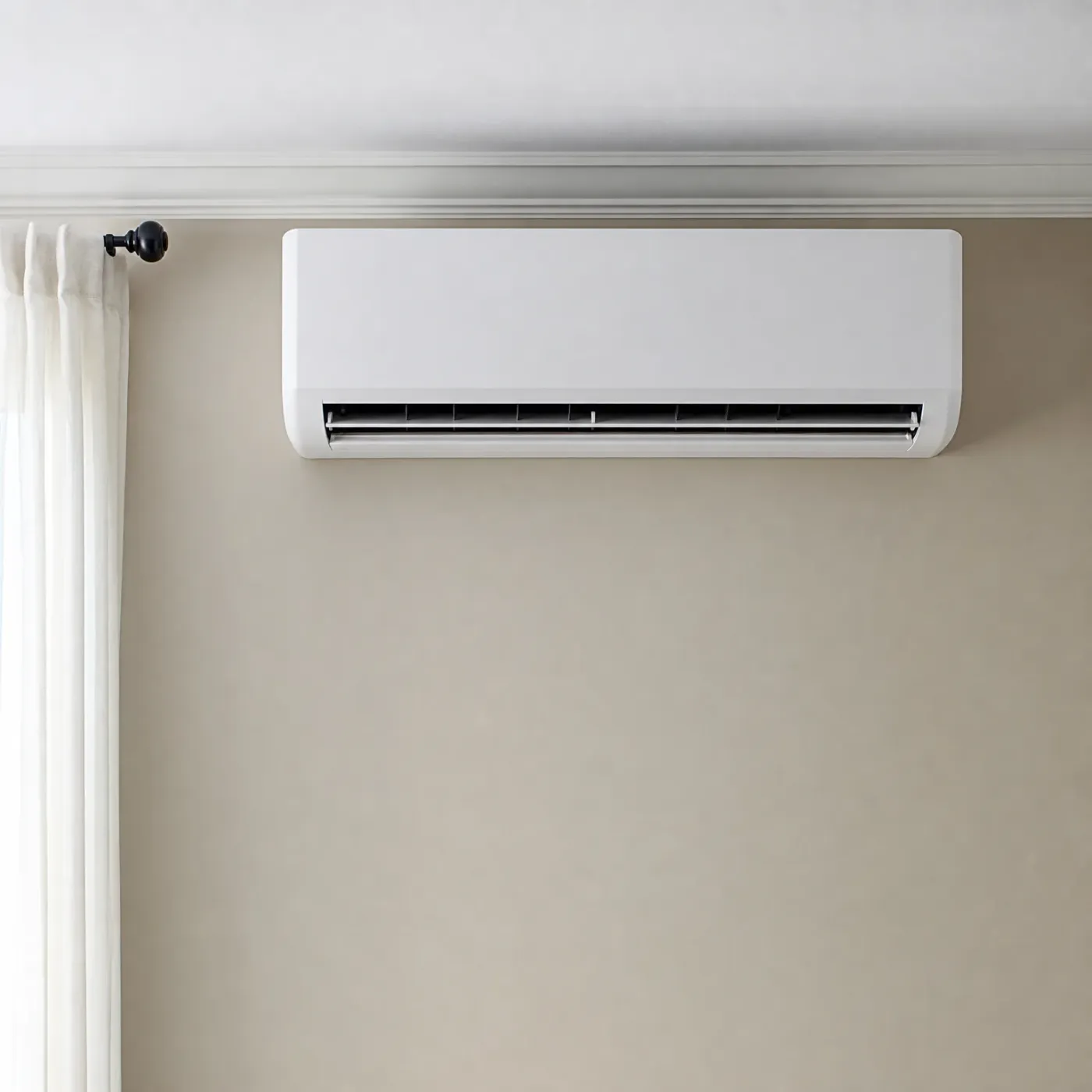
A white wall-mounted mini-split air conditioner installed high on a beige interior wall below crown molding, with a sheer white curtain on a dark rod at the left edge.

Right size, right day

On a normal day the mini split holds the room at the temperature you set and doesn't strain to do it. Cold air comes out steady, the outdoor unit cycles on and off without running long, and you don't think about it. That's what it should look like most of the winter.
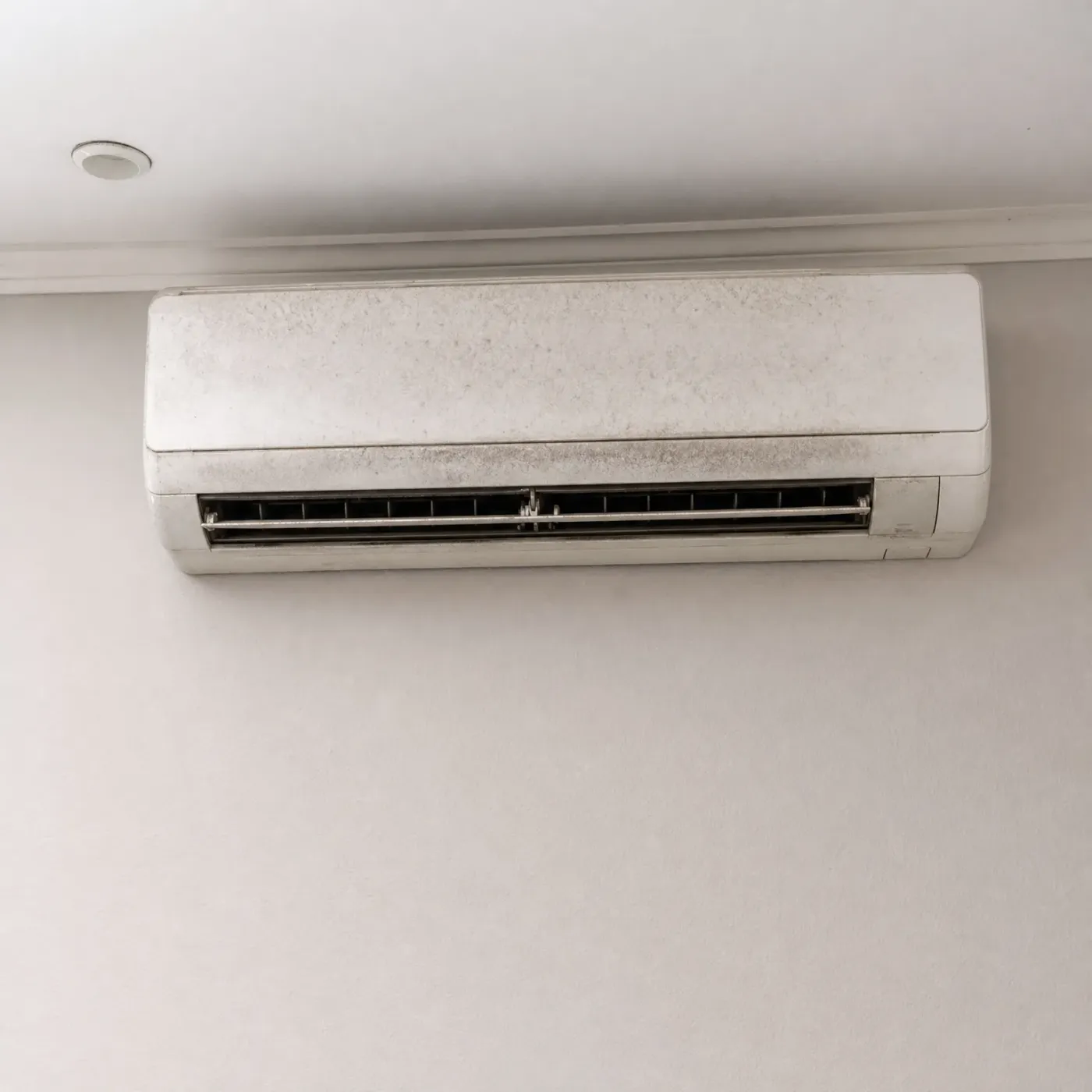

A dusty white wall-mounted mini-split air conditioner unit installed near the ceiling on a plain light-colored interior wall, with a small recessed ceiling fixture at upper left.

Overworked, falling behind

Dust and grime on the casing like this often mean the filter hasn't been cleaned, and a dirty filter makes the unit work harder for less heat. Paired with a cold snap, that's when you'll feel the room losing ground and the oil burner picking up the slack.

Going it alone or keeping oil

Mini split only

  • No oil truck to schedule, no tank to keep filled, no furnace or boiler taking up space.
  • You still pay the electric bill for every degree of heat, and power here runs expensive.
  • If the power goes out, you have no heat at all until it's back, since the mini split needs electricity to run.
  • On the coldest nights the unit has to work harder to hold the temperature you want, and a system sized wrong will fall behind.
  • One system to maintain instead of two, which means one filter to check and one unit a contractor services.

Mini split plus oil

  • The oil system carries the hardest nights so the mini split isn't working at its limit in January.
  • You're running two heating costs instead of one, oil and electric both, even if neither carries the whole season.
  • The mini split handles the shoulder months and the mild stretches of winter, which is where it costs you the least to run.
  • If the power goes out and the oil system doesn't need it to fire, you still have heat.
  • Two systems means two things to maintain, the furnace or boiler and the mini split both need their own upkeep.
  1. Indoor unit pulls warm room air across its sensor to read the temperature

  2. Outdoor unit compresses refrigerant, raising it to a temperature higher than the air outside

  3. Refrigerant lines carry that heat from the outdoor unit into the indoor coil

  4. Indoor fan pushes air across the warm coil and out into the room

A closed laptop and a cream mug of coffee on a coaster sit on a dark wooden table, with a potted plant at left and a kitchen counter, tiled backsplash and shelf of ceramics in the background.

What an oil backup is actually buying you

Keep the oil burner tied in and you're not choosing between systems, you're choosing on the coldest nights. The mini split carries the house most of the winter. When a hard cold snap hits and the outdoor unit starts losing ground, the burner picks up the rest without you doing anything. Pull the oil out entirely and that night has no backup. You're asking one outdoor unit to hold the whole house at whatever the thermometer does in January, with the power bill as the only thing standing behind it.

That's the real tradeoff, and it's yours to make, not a contractor's to talk you into over the phone. Getting a straight answer on whether your house and your unit can go oil-free means someone looking at your actual rooms, your actual equipment, and what your walls are doing in a cold snap. Send the form once and that search is done. No ringing around for quotes, no explaining your oil tank and your mini split to five different voices before one of them tells you what you need to hear.

A living room corner with a beige sofa and cushion, a round wooden coffee table holding a pale ceramic vase of eucalyptus stems and a wooden bowl, and a curtained window with a potted plant above a latticed radiator cover in the background.
A two-story house with light beige horizontal siding, a gabled roof, a small covered front porch with dark door, and shrubs along the foundation, set behind a mown lawn and wet sidewalk with large leafy trees on both sides.

Summers in New Hampshire run mild next to most of the country, and the air backs that up. Averaged across June, July and August, the dew point here sits at 59°F, according to NOAA climate data, which is the range where the air feels dry rather than sticky. That matters for a mini split because a humid summer forces the outdoor unit to work through moisture as well as heat, and a dry one doesn't. Your unit pulls the room down to temperature faster and doesn't run as long to hold it there. It also means the cooling side of your mini split was never the hard question. Getting the right system sized and installed for winter is what decides whether you skip the search, the calls, and the back and forth of comparing contractors who can actually do that.

NASA POWER T2MDEW county cells weighted by homes

Stop chasing a mini split pro

You've read through the sizing, the cold snap math, the oil backup question. None of that tells you whether your house, with your ductless setup, is actually ready to go through a New Hampshire winter without a second system behind it. That takes someone standing in the room, looking at the unit you have or the one you're considering, and checking it against what your house needs on the coldest night you'll actually see. Finding that person yourself means calling around, explaining your situation to each one, waiting on quotes, and weighing them against each other while the weather doesn't wait. Send the form above and that work moves off your plate. One contractor who installs these systems in New Hampshire homes gets your request, and from there it's their job to look at your place and tell you straight what it can and can't carry through January on its own.

What the rating label tells you

Every mini split sold for heat carries a rating for how it performs at low temperatures, not just a cooling number. Look for the capacity listed at 5°F, sometimes called the heating capacity at low ambient. That figure tells you what the unit can still put out once the outdoor air is actually cold, not just on a mild fall day. A unit with a strong 5°F rating holds its output as the temperature drops. One without it loses capacity fast, right when you need the heat most.

Where the heat actually comes from

A mini split doesn't make heat the way a furnace does. The outdoor unit pulls heat out of the air outside, compresses it to raise the temperature, and moves it inside through the refrigerant lines. That works even when the air outside feels cold to you, because there's still heat in it to pull. As the outdoor air drops, though, there's less heat there to grab, so the compressor has to work harder to deliver the same warmth to the room.

Power costs 24.53 cents per kilowatt-hour statewide

At 24.53 cents a kilowatt-hour, every degree the mini split makes costs more here than almost anywhere else in the country. Run it as your only heat and the compressor works hardest exactly when electricity is priciest to use, on the coldest nights of the year.

EIA-861 2025 statewide residential average

A white wall-mounted mini-split air conditioner indoor unit installed near the ceiling on a plain beige wall.

The house that keeps the oil tank

The furnace or boiler stays where it is, piped and wired the way it always was. On the coldest week of the year, it just runs, the same as it did last winter. You don't watch the outdoor unit for signs of strain or do any mental math about what 5 below does to its output. The mini split handles the shoulder months and the mild stretches, and the oil backs it up on the nights that call for it.

A white wall-mounted mini-split air conditioner on a plain off-white interior wall, with a gray curtain at the right edge.

The house that goes mini split alone

No oil delivery to schedule, no tank gauge to check before a storm. But the whole load falls on the outdoor unit, including the week it's 10 below and running hardest, right when electricity here costs the most. If that unit can't keep the house at temperature on its worst day, there's no second system to pick up the difference, just the one you have.

A mini split can heat a New Hampshire house through the winter, but whether it should be the only thing standing between you and a cold night depends on the unit's low temperature rating, how it's sized for your rooms, and whether you're willing to run it through the coldest week without oil behind it. That's a sizing and installation question, specific to your house, not a yes or no that applies to every ductless setup in the state. Instead of calling around to find an installer who actually works with cold climate units, explaining your oil situation to each one, and sorting through quotes that size things differently, you send one form and the search stops being yours to run. Someone who installs these for a living looks at your house and tells you straight whether the mini split alone gets you through January, or whether the oil burner earns its keep on the worst nights. Either way, you know where you stand before the next cold snap, not after.

A dark wall-mounted mini-split air conditioner on a gray interior wall, with a potted olive-like tree, sheer curtains over a window showing green foliage, and a gray sofa in the lower right corner.

Send one request and you're done looking

Skip the round of in-home estimates for a new mini split.

Step 1 of 3: Equipment