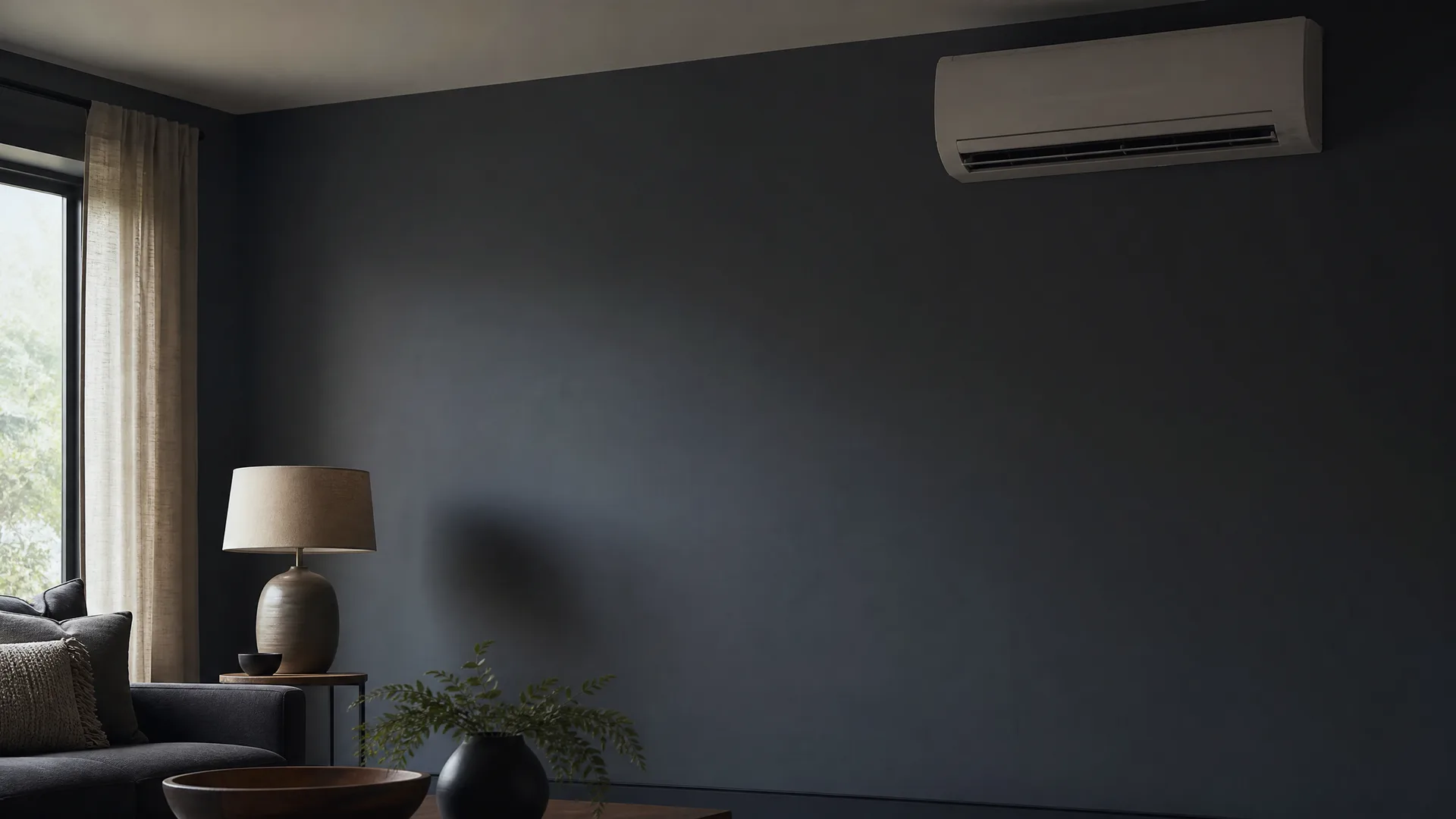
Adding a mini split to a New Hampshire home with a furnace
A local installer who puts in mini splits gets your project.
You've got a furnace burning oil and a mini split handling the rooms that need it. Adding another one, or getting the one you have installed right, means lining up with the oil system and the electrical panel you already have. That's a different job than a straight mini split install in a house with no other heat source.
Oil heat is still how most homes here get through the cold, and a mini split doesn't replace that. It takes the load off the furnace in the shoulder months and does the cooling work in a summer that's warm but not heavy. Getting the sizing and placement right so it actually does that job depends on how your ductwork, if you have any, and your electrical service are laid out, and that's specific to your house.
Electricity here costs more than in most of the country, so how the install is done affects what you run on it every month. A contractor who works on mini splits in New Hampshire homes all season knows how they perform against oil heat at January temperatures, and where installs tend to go wrong when a furnace is already in the picture.
That's the kind of thing worth getting from someone local who's done it on houses like yours, not a general contractor pulled from a list. When you request a match, you're connected with one licensed contractor who serves your area, not a handful of companies competing for your callback. They'll reach out to you directly to go over your home and what you're trying to get out of the system.
A mini split works alongside an oil furnace instead of replacing it, and most homes here end up running both. The mini split carries the load in spring and fall, when temperatures sit in that comfortable middle range, and does the cooling all summer. The furnace takes over on the coldest nights, when outdoor temperatures drop low enough that a heat pump's output and efficiency fall off. Since oil heat costs more to run than electricity here on a per-BTU basis in milder weather, many homeowners set the mini split to handle as much of the season as it reasonably can and let the furnace pick up the rest. Installing one properly means sizing it to the specific rooms it will serve, finding a spot for the outdoor unit that can handle winter conditions, and running a dedicated electrical circuit. None of that touches your furnace or its ductwork. The two systems operate independently, each doing the part it's better suited for.
Before you get your mini split installationAfter you get your mini split installation
One installer gets your project, so there's no bidding war over it.
Asking costs nothing, and the choice to hire stays yours.
Why oil backs it up in winter
A mini split loses capacity as the outdoor temperature drops, and on the coldest nights here it won't keep up on its own. That's when the oil furnace takes over. Most installs are set up so the switch happens without you doing anything, with the furnace carrying the load once the mini split can't. You get the mini split's efficiency most of the year and the furnace's output on the nights that call for it. The two aren't competing for the same hours, they're splitting them.
Why the panel matters here
A mini split runs on electricity, and with power priced the way it is in New Hampshire, the circuit it's wired on matters as much as the unit itself. The outdoor compressor needs its own dedicated circuit, sized to the unit, not shared with anything else in the house. An older panel without room for another breaker needs that worked out before the mini split goes in. Skipping that step is how installs end up with a unit that trips breakers or never gets installed right the first time.
Running clean
A mini split installed and sized right holds its temperature without straining. Set it and the room stays even, and the unit outside your furnace keeps doing its job as the second half of the pair, not a patch on it.
Running dirty
Dirt and mold along the vents cut airflow and make the unit work harder for less cooling. A coil like that also lets mold spread into the air the room breathes, not just sit on the casing.
Power costs 24.53 cents per kilowatt-hour statewide
At that rate, every hour a mini split's compressor runs shows up on your bill. It's still the cheaper way to cool and to take the edge off cold snaps, because it moves heat instead of burning oil to make it, but a unit that's sized or installed wrong will run longer than it should and you'll feel it in the kilowatt-hours.
EIA-861 2025 statewide residential average
Getting the install right
A mini split sized to the room and matched to your furnace setup is the whole job, not a guess.
Getting the line set, the electrical, and the furnace handoff right the first time is what keeps the pair working together.
A contractor who installs these in New Hampshire homes all winter knows how oil furnaces and mini splits are supposed to share the load.
You're matched with one licensed local contractor, so you're not fielding calls from a handful of companies.
The right install means the mini split does its job in summer and the shoulder seasons without fighting the furnace or the electric bill.
Where you land after that is a system that runs the way it was supposed to from the start.
The answer hasn't changed through any of this. A mini split and an oil furnace can share a New Hampshire home without one undercutting the other, but only if the install accounts for both from the start: the right size unit for the room, a line set and electrical run that are done properly, and a clear handoff to the furnace for the nights the mini split can't carry alone. Skip any of that and you end up with a unit that runs hard, a furnace that kicks in more than it should, or a bill that doesn't match what the equipment is capable of.
This is where who installs it matters. A contractor who works on mini splits and oil systems together all winter in this state has seen how they're supposed to split the load, and what tends to go wrong when they don't. That's not the same as a contractor who installs mini splits in climates where there's no furnace to coordinate with. You're matched with one licensed, local contractor for this, not a handful of companies competing for the job. That means one visit, one person who already knows what to look for in a New Hampshire setup, and no sorting through callbacks to figure out who's worth hiring.
Once it's installed right, the system runs the way it's supposed to: the mini split handling spring, fall, and summer cooling, the furnace taking over when it gets cold enough to need it, and neither one working against the other.
Get your mini split to the right pro
Only one pro gets your request, so you hear from one company.